Illinois Radon Testing Requirements for Daycare Centers
March 9, 2026
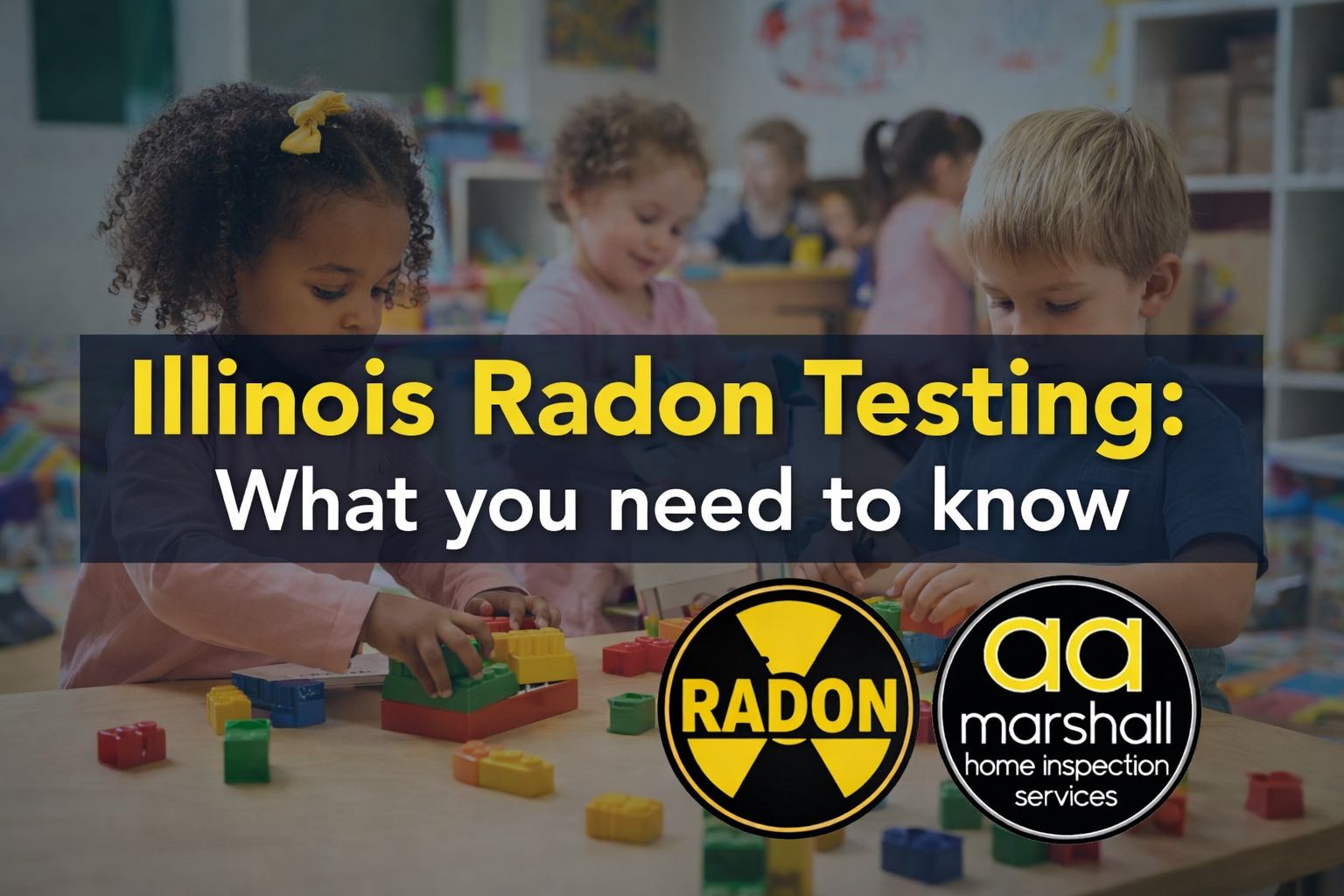
Under the Illinois Radon Awareness Act and Illinois Department of Children and Family Services (DCFS) regulations, licensed daycare centers must conduct radon testing to ensure children and staff are not exposed to elevated radon levels.
Key requirements include:
- Testing must be conducted at least every 3 years
- Testing must occur in rooms used by children that are in contact with the ground
(including basements or first-floor classrooms) - Testing must be performed by a licensed Illinois radon professional
- Results must be kept on file and available for inspection
- If elevated radon levels are found, mitigation may be required
Illinois has some of the highest radon levels in the country, making testing especially important for childcare facilities.
Once you have tested,
click here to fill out your certificate.
Disclaimer: The information on this website and blog is for general informational purposes only and is not professional advice. We make no guarantees of accuracy or completeness. We disclaim all liability for errors, omissions, or reliance on this content. Always consult a qualified professional for specific guidance.
Search
Recent Posts
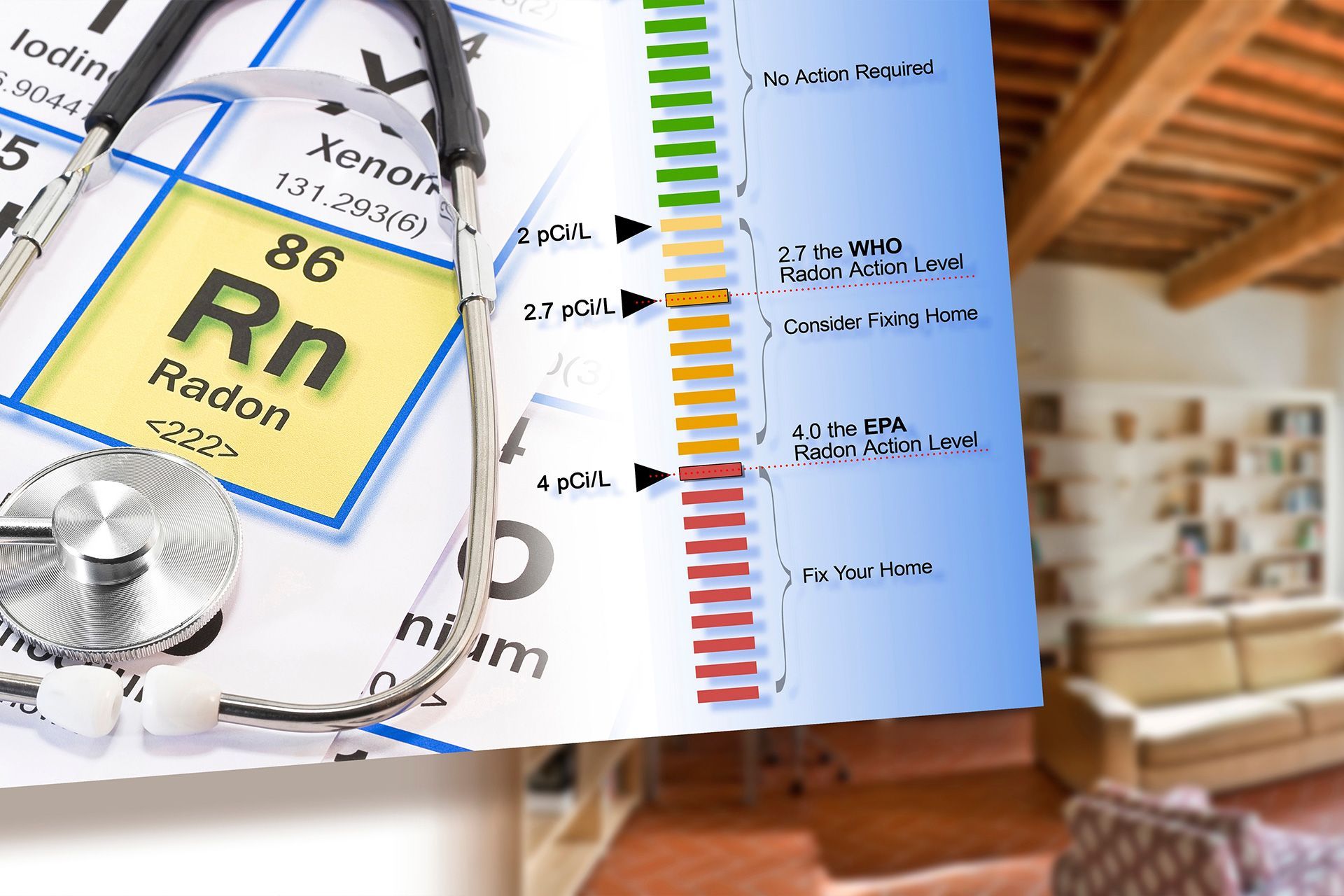
In this guide, we’ll cover the top 5 effective ways to prevent radon build-up in homes, using simple language and proven methods.
Buying or owning a home is one of the biggest investments most people make. Homeowners think about things like roof repairs, plumbing issues, and heating systems. But there is one serious danger that many people don’t think about at all, radon gas . Radon is a hidden health risk that can be present in any home, new or old. You can’t see it, smell it, or taste it. The only way to know if radon is in your home is through testing. That’s why radon testing is crucial for every homeowner’s safety . In this article, we’ll explain what radon is, why it’s dangerous, how it gets into homes, and why testing is so important for families across the United States. What Is Radon Gas? Radon is a naturally occurring radioactive gas . It forms when uranium in soil and rock breaks down. This gas moves up through the ground and can enter buildings through small cracks and openings. Radon is found all over the United States. It does not matter where you live, urban, suburban, or rural areas can all have high radon levels. Even homes next to each other can have very different radon readings. Because radon is invisible and odorless, many homeowners have no idea they are breathing it every day. Why Is Radon Dangerous? Radon becomes dangerous when it builds up inside a home. When people breathe radon gas, radioactive particles can damage the lungs over time. According to the U.S. Environmental Protection Agency (EPA), radon is the second leading cause of lung cancer in the United States , after smoking. It is the leading cause of lung cancer among non-smokers. The risk increases the longer someone is exposed and the higher the radon level in the home. Children and elderly adults may be especially vulnerable because they spend more time indoors. How Does Radon Get Into Homes? Radon enters homes from the ground below. It moves through soil and finds its way inside through: Cracks in concrete floors or walls Gaps around pipes or wiring Sump pits and floor drains Crawl spaces Basement foundations Once inside, radon can become trapped, especially in lower levels like basements. Homes that are tightly sealed for energy efficiency may actually trap radon more easily. Any Home Can Have High Radon Levels Many homeowners believe radon is only a problem in old homes or certain states. This is not true. New homes can have high radon levels Well-built homes can have radon Homes without basements can still be affected Homes in low-risk zones may still test high The EPA recommends testing all homes, regardless of location or age. The only way to know your radon level is to test. Why Radon Testing Is So Important 1. Radon Has No Warning Signs You won’t feel sick right away if your home has radon. There are no headaches, smells, or visible signs. Health effects can take years to appear. Radon testing gives you clear answers before it becomes a long-term health issue. 2. Protects Your Family’s Health Your home should be a safe place. If radon levels are high, everyone living in the home is at risk. Testing helps protect: Children Seniors Pets Guests Knowing your radon level allows you to take action to reduce exposure and create a healthier indoor environment. 3. Testing Is Simple and Affordable Radon testing is quick and non-invasive. Professional radon tests provide accurate results and follow EPA guidelines. Compared to the cost of medical treatment or home repairs later, radon testing is a small investment with big benefits. 4. Required During Many Home Sales In many states, radon testing is commonly requested during real estate transactions. Buyers want peace of mind, and sellers benefit from knowing their home’s radon status in advance. Having a recent radon test: Builds trust with buyers Helps avoid last-minute issues Can speed up the selling process 5. Radon Problems Can Be Fixed The good news is that radon can be reduced . If testing shows high levels, professional radon mitigation systems can safely lower radon levels in your home. These systems are proven, effective, and long-lasting when installed by trained professionals. When Should Homeowners Test for Radon? You should consider radon testing if: You’ve never tested your home before You’re buying or selling a home You’ve remodeled or finished a basement You notice changes in airflow or ventilation It’s been more than two years since your last test The EPA recommends keeping indoor radon levels at or below 4.0 pCi/L . Even levels below this may still carry some risk, which is why regular testing is important. Professional Radon Testing vs. DIY Kits DIY radon test kits are available, but they may not always give the most reliable results if used incorrectly. Professional radon testing offers: Accurate equipment Proper placement Certified testing methods Clear, easy-to-understand results For homeowners who want dependable information, professional testing is often the best choice. Long-Term Peace of Mind Radon testing is not just about today, it’s about long-term safety. Knowing your home’s radon level gives you peace of mind and control over your indoor air quality. Once a mitigation system is installed, follow-up testing ensures it continues working properly. This ongoing protection helps keep your family safe year after year. Schedule a professional radon test today with Radon Mitigation Corporation and take the first step toward a safer, healthier home. Frequently Asked Questions (FAQs)
Radon is a hidden danger that many homeowners don’t think about until a test shows high levels. You can’t see radon. You can’t smell it. But long-term exposure to radon gas is one of the leading causes of lung cancer in the United States. The good news is that radon problems can be fixed. Radon mitigation systems are proven, effective, and commonly installed in homes across the country. In this guide, we’ll explain how radon mitigation systems work, what happens during installation, and what you can expect after the system is in place . What Is Radon and Why Is It Dangerous? Radon is a radioactive gas that forms naturally when uranium breaks down in soil and rock. It moves up through the ground and can enter homes through: Cracks in concrete floors Gaps around pipes and sump pumps Crawl spaces Basement walls and foundations When radon builds up indoors, it becomes a serious health risk. According to the EPA, radon is the second leading cause of lung cancer and the leading cause among non-smokers in the U.S. Radon levels are measured in picocuries per liter (pCi/L). The EPA recommends fixing your home if radon levels are 4.0 pCi/L or higher . What Is a Radon Mitigation System? A radon mitigation system is a setup designed to reduce radon levels inside a home . It works by pulling radon gas from beneath the house and safely releasing it outside before it can enter living spaces. Most homes use an active soil depressurization system , which is the most effective and widely recommended radon solution. How Radon Mitigation Systems Work Radon mitigation systems work by changing the air pressure under your home so radon is redirected outdoors instead of inside. Here’s how the process works step by step: 1. Radon Is Collected from Beneath the Home A small hole is drilled into the basement floor or slab. This allows access to the soil or gravel beneath the home, where radon gas collects. In homes with crawl spaces, a sealed plastic membrane is placed over the ground to collect radon from below. 2. PVC Piping Moves Radon Upward PVC pipes are installed from the collection point and run through the house or along the exterior. These pipes create a pathway for radon gas to move upward. 3. A Radon Fan Pulls Gas Out A quiet, energy-efficient radon fan is installed (usually in the attic or outside the home). The fan continuously pulls radon gas from beneath the house and pushes it up through the piping. 4. Radon Is Released Safely Outside The radon gas is vented above the roofline, where it safely disperses into the outdoor air. This keeps radon from re-entering the home. 5. Indoor Radon Levels Drop Once the system is running, radon levels inside the home typically drop within 24 to 48 hours. Most systems reduce radon levels by up to 99% . Types of Radon Mitigation Systems Not every home is the same, so radon mitigation systems may vary depending on your foundation. Sub-Slab Depressurization (Most Common) Used for homes with basements or concrete slabs. This is the most effective and widely used system. Crawl Space Mitigation Uses a sealed vapor barrier and ventilation to prevent radon from entering living spaces. Block Wall Depressurization Used when radon enters through hollow foundation walls. A professional radon contractor will recommend the best system for your home’s layout. What to Expect During Radon Mitigation Installation Many homeowners worry that installation will be messy or disruptive. In reality, radon mitigation is usually fast and minimally invasive. Before Installation A radon test confirms elevated levels The contractor inspects your foundation and layout System design is planned for best performance and appearance During Installation Installation usually takes 3 to 6 hours Small holes may be drilled in concrete or block walls PVC piping is installed neatly and securely The radon fan is mounted outside or in the attic After Installation The system runs continuously A manometer (pressure gauge) is installed so you can see the system is working Post-install radon testing confirms reduced radon levels Most homeowners can stay in their home during the installation. What Does a Radon Mitigation System Look Like? Radon systems are designed to blend in as much as possible. Pipes are usually white or neutral-colored and routed through utility areas, garages, or exterior walls. The radon fan is quiet and energy-efficient. Most homeowners don’t notice it running after the first few days. How Much Does Radon Mitigation Cost? The cost of a radon mitigation system in the U.S. typically ranges widely, depending on: Home size Foundation type System complexity Local building requirements While this is an investment, it’s small compared to the long-term health risks of radon exposure. Do Radon Mitigation Systems Really Work? Yes. Professionally installed radon mitigation systems are highly effective. Most homes see radon levels drop below the EPA action level after installation. With proper installation and regular checks, systems continue working for many years with minimal maintenance. Maintenance and System Care Radon mitigation systems require very little upkeep. Check the system gauge monthly Listen for unusual fan noise Replace the fan if it fails (typically lasts 5–10 years) Retest radon levels every 2–3 years A professional inspection can ensure your system stays effective. Why Professional Installation Matters Radon mitigation is not a typical DIY project. Proper design, sealing, and fan placement are critical for success. Certified radon professionals: Follow EPA guidelines Use approved materials Ensure safe venting Verify results with testing Professional installation ensures your system works safely and efficiently. Final Thoughts Radon mitigation systems are a proven way to protect your home and family from the dangers of radon gas. Understanding how they work and what to expect makes the process simple and stress-free. Schedule a professional radon test today and take the first step toward a safer, healthier home. FAQs About Radon Mitigation Systems