Top 5 Effective Ways to Prevent Radon Build-Up in Homes
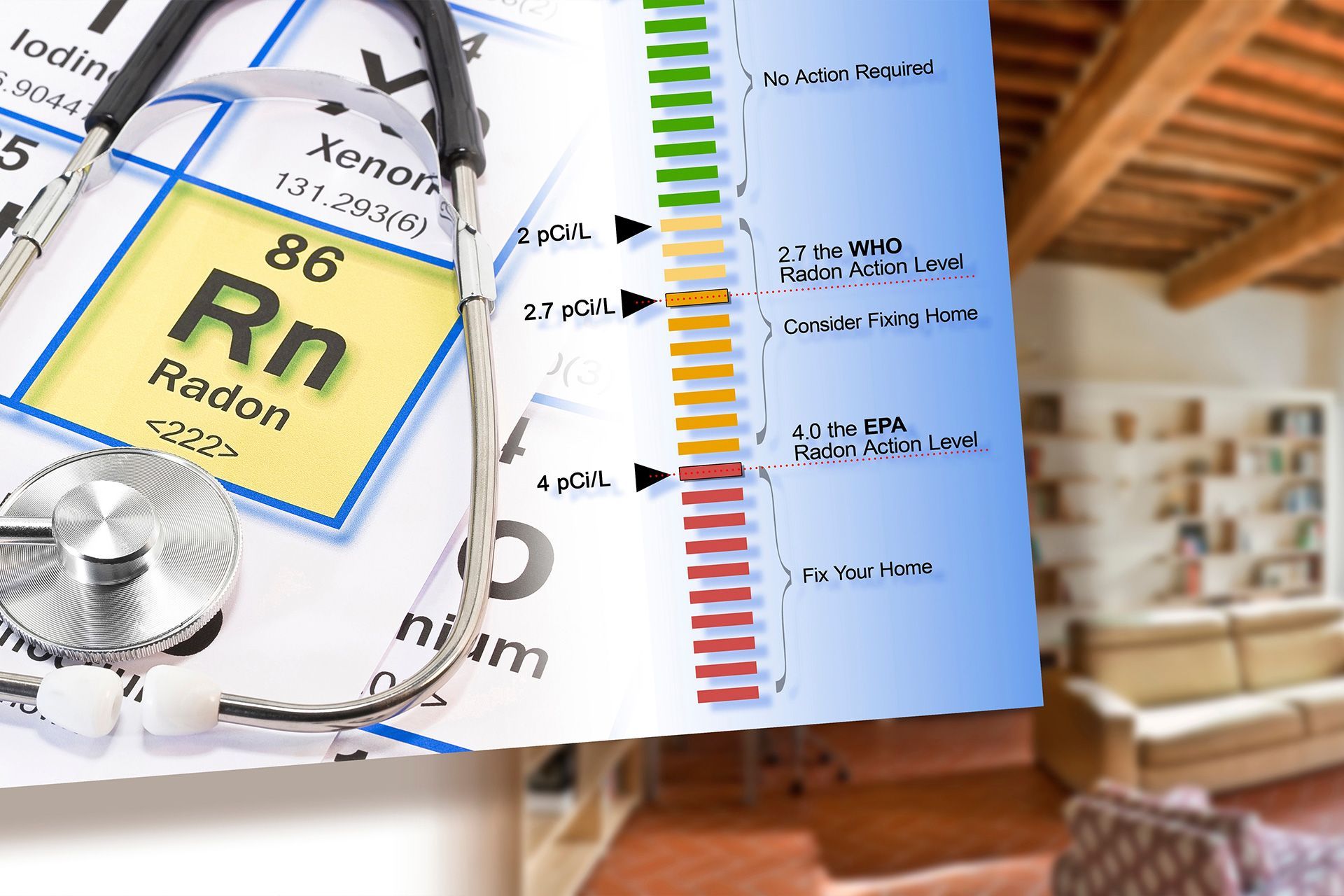
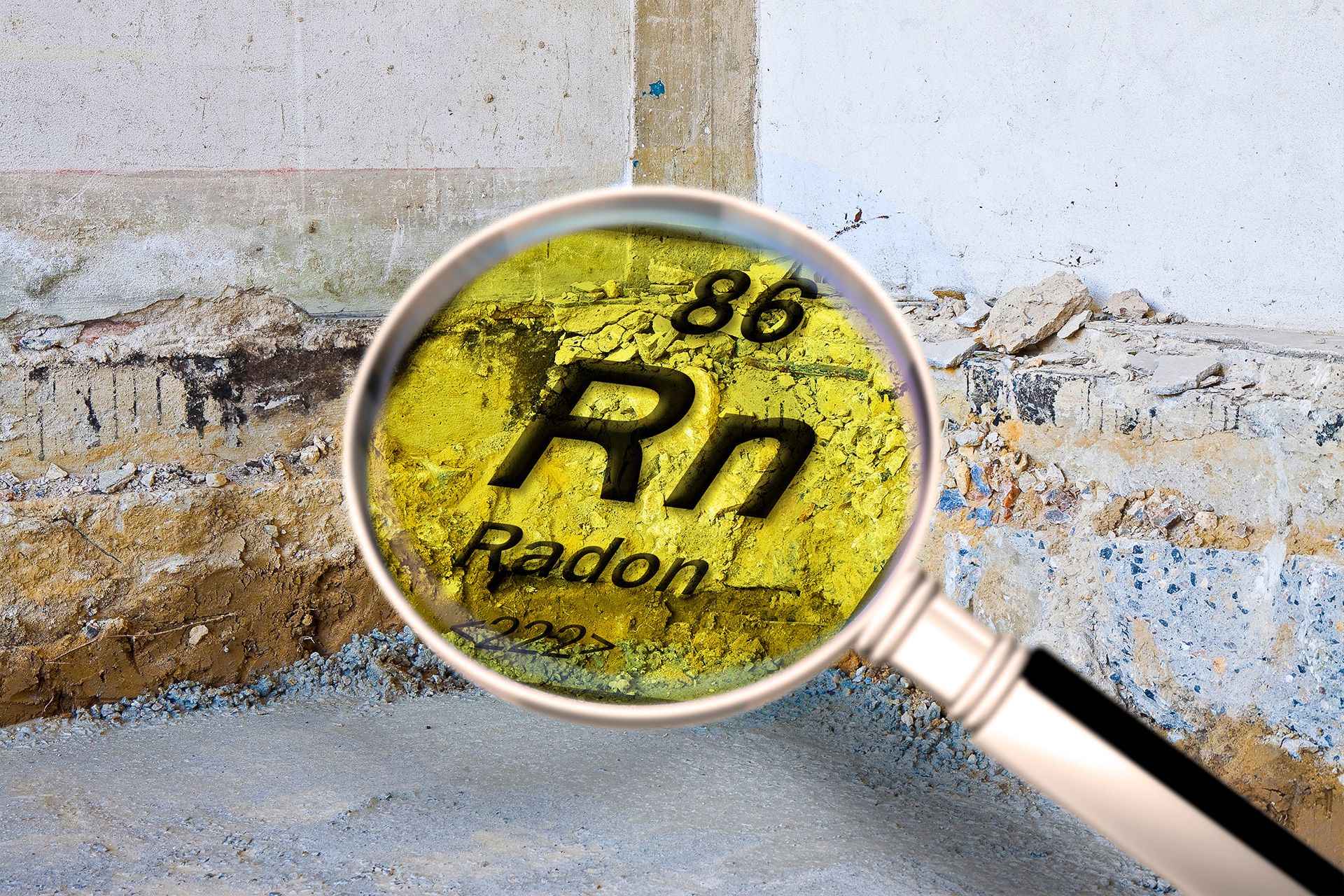
Radon is a silent danger that many homeowners don’t think about, but they should. Radon is a colorless, odorless gas that comes from the natural breakdown of uranium in soil and rock. It can seep into homes through small cracks and openings in the foundation. According to the EPA, radon exposure is the second leading cause of lung cancer in the United States.
The good news? Radon problems can be prevented and fixed. With the right steps, you can lower radon levels and protect your family’s health. In this guide, we’ll cover the top 5 effective ways to prevent radon build-up in homes, using simple language and proven methods.
Why Radon Prevention Matters
Radon can build up to dangerous levels indoors, especially in basements and crawl spaces. Long-term exposure increases the risk of serious health problems, even for non-smokers. Since radon can’t be seen or smelled, testing and prevention are the only ways to stay safe.
Whether you’re building a new home or living in an older one, radon prevention should be part of your home safety plan.
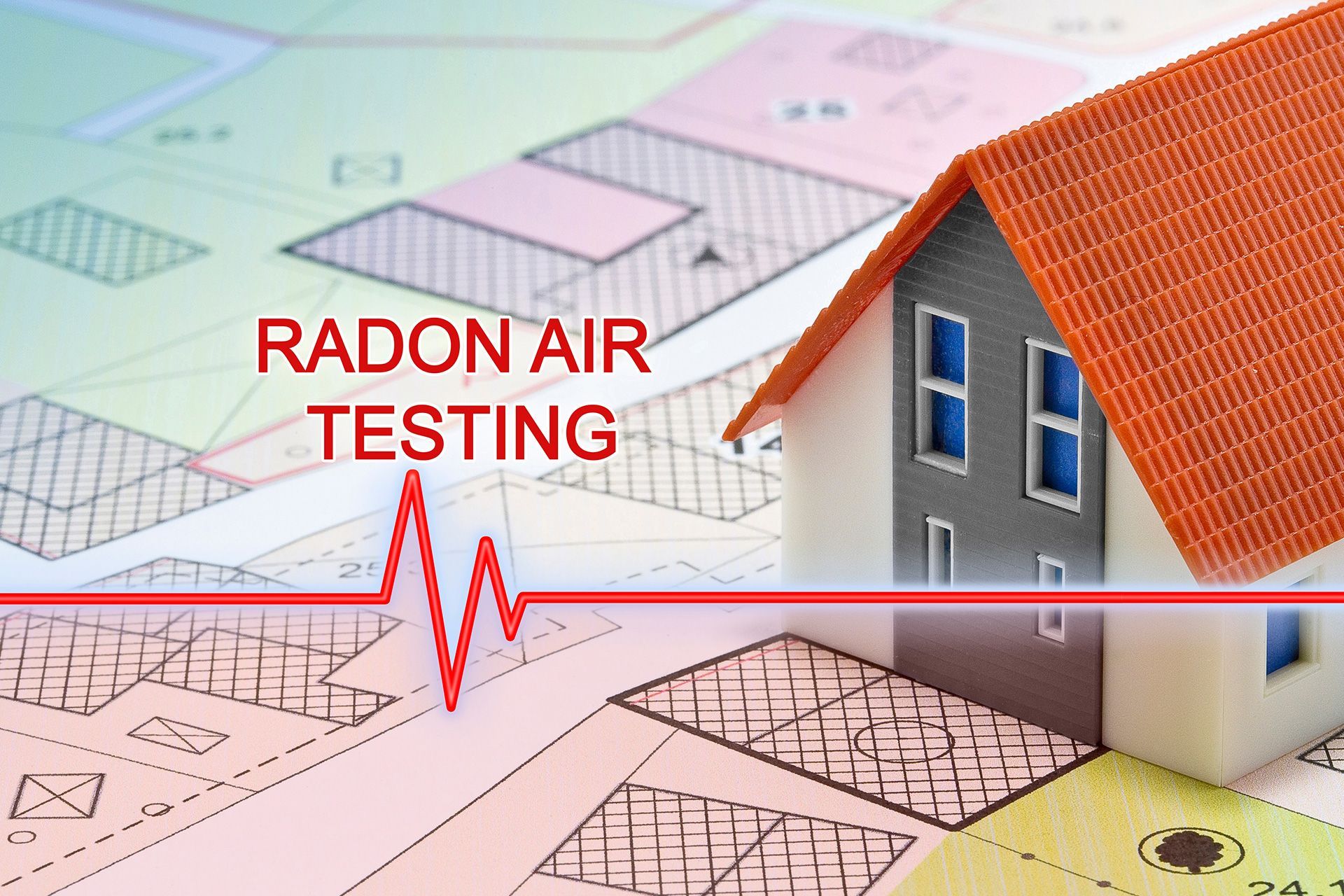
1. Test Your Home for Radon Regularly
The first and most important step in preventing radon build-up is testing your home.
Why Radon Testing Is Essential
- Radon levels vary from home to home
- Even neighboring houses can have very different radon readings
- The EPA recommends action if levels are
4.0 pCi/L or higher
Types of Radon Tests
- Short-term tests:
Used for quick screening (2–7 days)
- Long-term tests: Measure average radon levels over 90 days or more
Testing is affordable and easy, and professional testing provides the most accurate results. Regular testing ensures that radon levels stay within a safe range, especially after renovations or changes to your home’s structure.
2. Seal Cracks and Openings in the Foundation
Radon enters homes through small gaps where the house meets the soil. Sealing these entry points helps reduce radon flow into your living space.
Common Radon Entry Points
- Cracks in concrete floors or walls
- Gaps around pipes and utility lines
- Floor drains and sump pump pits
- Crawl space openings
How Sealing Helps
While sealing alone won’t completely eliminate radon, it:
- Reduces radon entry
- Improves the effectiveness of other mitigation systems
- Helps with moisture control and energy efficiency
Use high-quality caulk or sealant, and consider professional sealing for best results.
3. Improve Ventilation in Your Home
Better airflow helps reduce radon concentration indoors.
Simple Ventilation Tips
- Open basement windows when weather allows
- Use exhaust fans in basements and lower levels
- Ensure HVAC systems are working properly
Why Ventilation Matters
Radon becomes more dangerous when trapped indoors. Increasing fresh air flow:
- Dilutes radon gas
- Prevents buildup in enclosed areas
- Improves overall indoor air quality
For homes with persistent radon issues, natural ventilation may not be enough, but it’s a helpful prevention step when combined with other solutions.
4. Install a Radon Mitigation System
For homes with elevated radon levels, a professional radon mitigation system is the most effective solution.
How Radon Mitigation Systems Work
The most common system is sub-slab depressurization, which:
- Uses a vent pipe and fan
- Pulls radon gas from beneath the home
- Releases it safely above the roofline
Benefits of Professional Radon Mitigation
- Can reduce radon levels by up to 99%
- Safe, reliable, and long-lasting
- Designed specifically for your home’s structure
Professional installation ensures the system meets EPA standards and works efficiently.
5. Use Radon-Resistant Features in New Construction
If you’re building a new home, prevention starts before move-in.
Radon-Resistant Construction Methods
- Gas-permeable layer under the slab
- Plastic sheeting to block soil gas
- Sealed foundation and joints
- Vent pipe routing radon above the roof
Why Build Radon-Resistant?
- Lower installation costs during construction
- Easier and more effective prevention
- Added peace of mind for homeowners
Many states recommend or require radon-resistant features in new homes, especially in high-radon zones.
Additional Tips to Prevent Radon Build-Up
- Test radon levels after major renovations
- Keep sump pump lids sealed and airtight
- Maintain mitigation systems regularly
- Retest every 2–5 years
Radon prevention is not a one-time task, it’s an ongoing part of home maintenance.
Final Thoughts
Radon is a serious but manageable risk. By testing regularly, sealing entry points, improving ventilation, and installing professional mitigation systems, homeowners can greatly reduce radon exposure and protect their families.
Concerned about radon in your home? Contact Radon Mitigation Corporation today for expert testing and reliable radon mitigation solutions.
Frequently Asked Questions (FAQs)
What is a safe radon level in homes?
The EPA recommends taking action if radon levels are 4.0 pCi/L or higher. Even levels between 2.0 and 4.0 may pose health risks over time.
Can radon be completely eliminated?
Radon cannot be fully eliminated, but professional mitigation systems can reduce it to very low and safe levels.
Do newer homes have radon problems?
Yes. New homes can trap radon due to tighter construction and improved insulation, making testing just as important.
How long does a radon mitigation system last?
Most systems last many years with proper maintenance. Fans may need replacement after 5–10 years.
Is radon only a problem in basements?
No. Radon can affect any level of a home, especially ground-level rooms and living spaces.
Disclaimer: The information on this website and blog is for general informational purposes only and is not professional advice. We make no guarantees of accuracy or completeness. We disclaim all liability for errors, omissions, or reliance on this content. Always consult a qualified professional for specific guidance.
Search
Recent Posts